
Plastic waste is one of our generation’s most alarming environmental challenges, impacting human health and the environment. While the problem seems overwhelming and difficult to tackle, meaningful changes often start at the personal level, like home. In this post, I would like to share some of the sustainable options I’ve recently adopted- simple actions that make a difference.
- Using reusable steel straws instead of single-use plastic straws
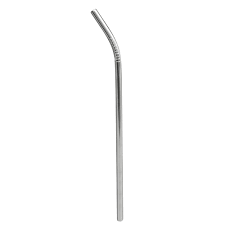
Mangalore’s scorching heat made me rely on tender coconut, buttermilk, lassi, and fruit juices, which I often consumed using single-use plastic straws. Studies have shown that 50% of manufactured plastic is disposed of after a single use. Researchers have also found that plastic straws contribute about 1.53 × 10^5 tons of plastic waste into the environment every year. Realizing the amount of plastic I contributed to the existing garbage pile, I switched to steel straws, which are portable, hygienic, easy to clean, reusable, recyclable, cost-effective, and eco-friendly. Plastic straws contain harmful chemicals like bisphenol A (BPA), which causes severe health hazards.
2. Converting old clothes into carry bags for shopping
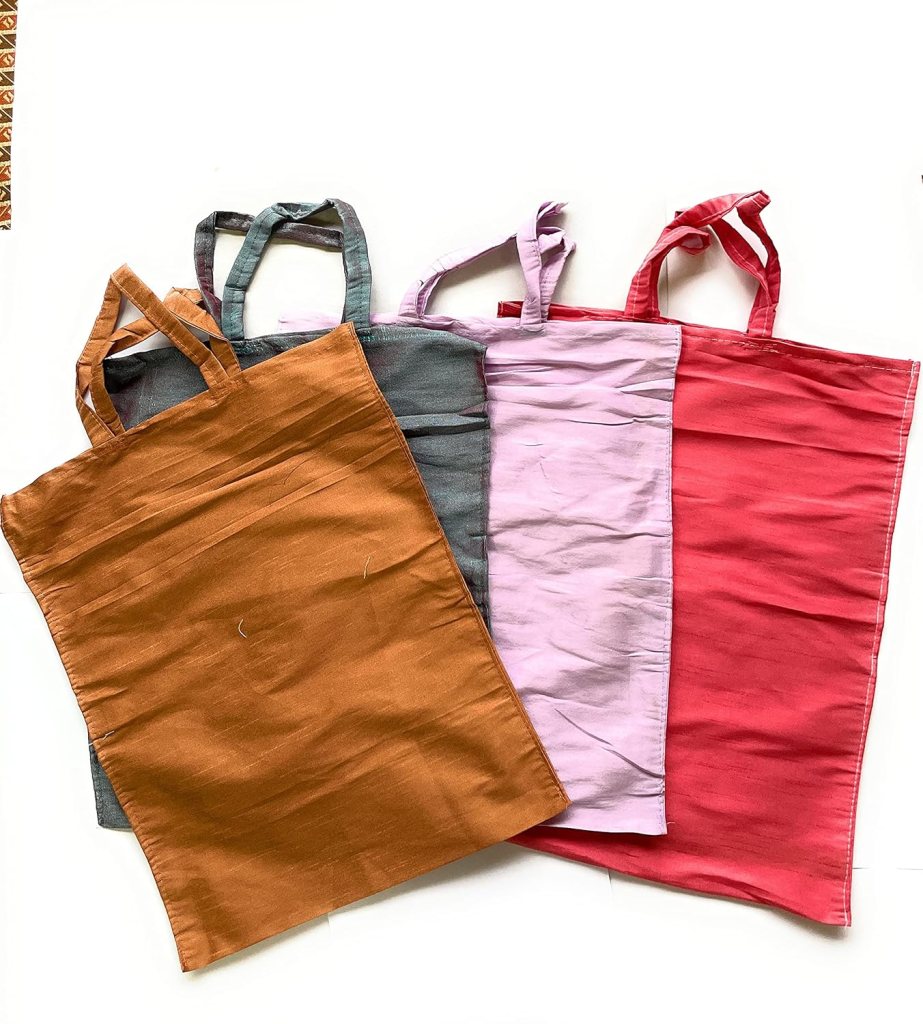
My mother, who also believes in and practices sustainable living, stitches beautiful carry bags out of leftover or old clothes. Unlike plastic bags, which take years to decompose, these are durable, reusable, and eco-friendly, as they do not contribute to pollution.
3. Using a menstrual cup – towards a green period
Studies in the US revealed that around 1.8 billion women menstruate every month. The most commonly used menstrual products, such as sanitary pads, tampons, etc., which are high in plastic, contribute to 240000 tons of solid waste annually (Mouhanna et al., 2023). Disposing of the period product packing is another concern, and studies have shown that 400 pounds of period product packing is thrown out per menstruator per lifetime (Harrison et al., 2022).
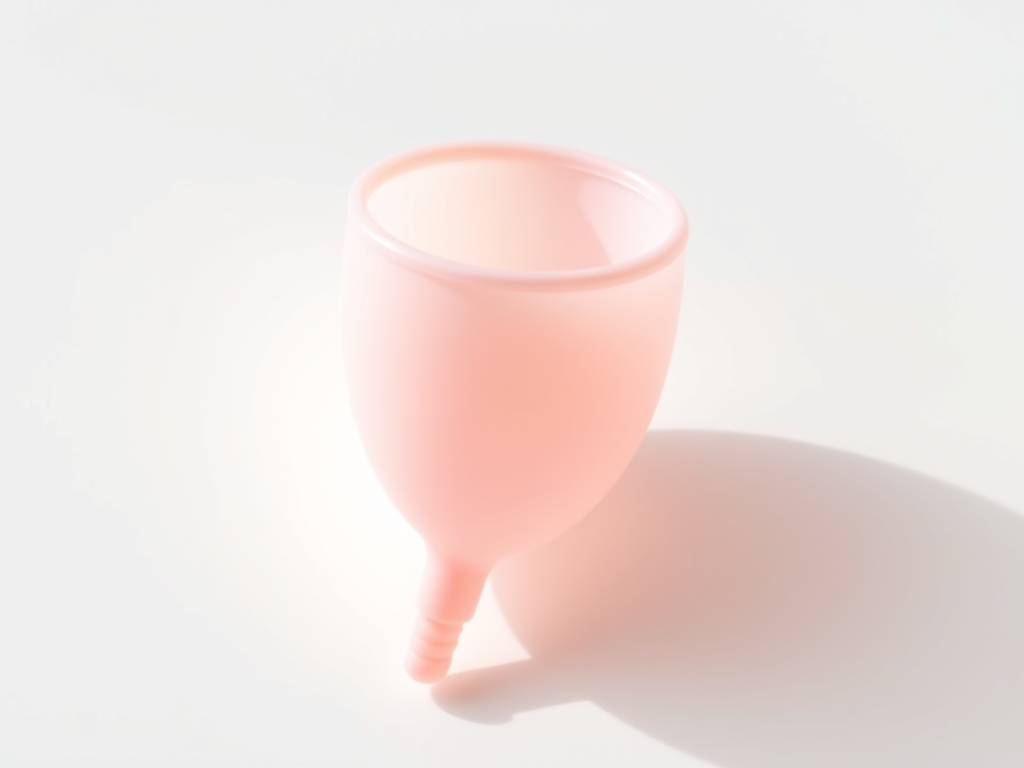
A menstrual cup is a reusable feminine product made out of medical-grade silicone that is inserted into the vagina and is said to have the lowest environmental.
During her menstrual cycle, a woman typically uses about 12 to 16 pads, costing between 8 and 15 rupees. This results in an expense of approximately 150 to 200 rupees per cycle, leading to an annual cost of around 2,500, depending on the brand and quantity of pads used.
In contrast, a menstrual cup is a one-time investment that costs about 700 rupees and can last between 5 to 10 years. The advantage of using a menstrual cup is that it is safe, reusable, and provides protection for up to 12 hours, though cleaning it every 4 hours. Menstrual cups are the better alternative to single-use menstrual hygiene products as they reduce the amount of trash that goes into landfills.
Embracing sustainable living is about making mindful choices, not drastic changes. Whether carrying your shopping bag or switching to a reusable product, every small step counts.I see sustainability not as a sacrifice but as a lifestyle—a conscious choice we can all make. I hope my story inspires you to begin your journey toward greener living. Let’s build a community where sustainable decisions become the norm, not the exception.
References
Harrison, M. E., & Tyson, N. (2023). Menstruation: Environmental impact and need for global health equity. International Journal of Gynecology & Obstetrics, 160(2), 378-382.
Mouhanna, J. N., Simms-Cendan, J., & Pastor-Carvajal, S. (2023). The menstrual cup: menstrual hygiene with less environmental impact. JAMA, 329(13), 1114-1115.
Roy, P., Ashton, L., Wang, T., Corradini, M. G., Fraser, E. D., Thimmanagari, M., … & Misra, M. (2021). Evolution of drinking straws and their environmental, economic, and societal implications. Journal of Cleaner Production, 316, 128234.
All images used in this blog post are sourced from the internet, and full credit goes to the original photographers and rightful owners.
 anubhavalahari